Why Your Hip Pain Isn't Just "Getting Older"

Your hip is built to handle serious forces: running, jumping, cutting, pivoting. It should be able to take it. So when hip pain starts limiting your training, your game, or even your ability to sit through a long drive, something mechanical has gone wrong. The good news: most hip pain in active people responds to the right combination of hands-on treatment and targeted loading. You don't have to stop moving. You need to move smarter while we fix the underlying problem.

When patients say "hip pain," they're often describing three different areas: the groin (true hip joint), the outer hip (tendons and bursae), or the buttock (often the spine or SI joint). Each tells a different story and requires a different solution.

What brings active people to our Springfield clinic:

  • Training load that exceeds tissue capacity from ramping up mileage too fast, adding volume in the weight room, or returning to sport after time off
  • Repetitive hip flexion from cycling, rowing, deep squatting, or sitting at a desk all day then hitting a HIIT class
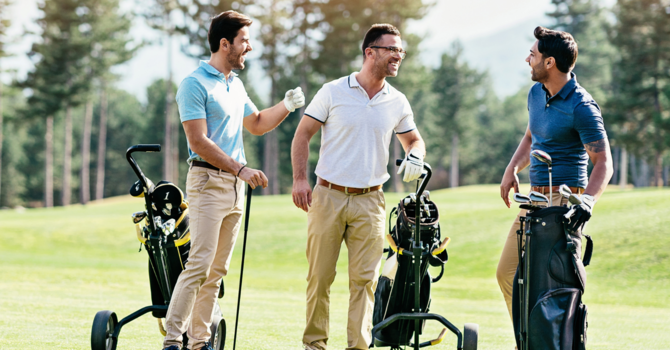
  • Rotational demands from golf swings, tennis, soccer, or pickleball at Cooper or Lost Hill
  • Single-leg loading imbalances common in runners on the trails at Galloway Creek or athletes returning from lower-body injuries

The reality: Hip pain in active adults and young athletes is rarely about degeneration. It's usually about load management, movement quality, and tissue capacity. We help athletes from Springfield to Nixa, Ozark to Republic get back to performing at their best.

Understanding Your Hip Pain

Femoroacetabular Impingement (FAI)

FAI is a structural mismatch between the ball (femoral head) and socket (acetabulum) of your hip. In "Cam" impingement, the ball isn't perfectly round, causing it to jam against the socket rim during deep flexion. In "Pincer" impingement, the socket over-covers the ball, crushing the labrum. Most people have a combination of both. This is common in athletes who do a lot of squatting, cycling, or sports that require deep hip flexion and rotation.

Feels like Deep pinch or catch in the groin with specific movements; stiffness after sitting
Worse with Deep squats, sitting in low chairs, bringing knee to chest, internal rotation, prolonged sitting (the "theater sign")
Better with Avoiding end-range flexion, sitting with hips higher than knees, standing and moving
Key insight You cannot stretch your way out of FAI. Deep hip openers in yoga often make it worse. The fix is managing positions and building hip strength around the limitation. (AAFP, 2014)
Who it affects: Active adults 20-45, especially those in sports requiring deep hip flexion. Limited internal rotation on exam is the hallmark finding.

Greater Trochanteric Pain Syndrome (Lateral Hip Pain)

If your pain is on the outside of your hip, right over the bony prominence, this is likely Greater Trochanteric Pain Syndrome. The old term "hip bursitis" misses the mark. Modern research shows the primary problem is usually gluteal tendinopathy: the gluteus medius and minimus tendons that attach to that bone are overloaded, irritated, or degenerating. (PMC, 2015) This is an overuse injury, and it responds to progressive loading, not rest.

Feels like Aching or sharp pain directly over the lateral hip bone; tender to touch
Worse with Lying on the affected side (major sleep disruptor), crossing legs, climbing stairs, single-leg activities, running
Better with Pillow between knees at night, avoiding leg crossing, standing with weight evenly distributed
Key insight Passive treatments (ice, rest, cortisone) provide temporary relief but don't fix the problem. Progressive tendon loading is the evidence-based solution. (Prehab Guys, 2023)
Common in: Runners, women 40-60, and athletes with hip drop or pelvic instability during single-leg stance. Point tenderness over the greater trochanter is the hallmark sign.

Hip Labral Tears

The labrum is a ring of cartilage lining the hip socket, creating a suction seal that keeps the ball centered and distributes joint fluid. Tears can happen acutely (a fall, a hard pivot) or develop over time from repetitive impingement. They're common in soccer players, hockey players, dancers, golfers, and anyone doing high volumes of hip flexion and rotation.

Feels like Sharp, deep pain in the groin or front of the hip; clicking, catching, or locking sensation
Worse with Deep squatting, prolonged sitting, pivoting, getting in/out of cars, cutting movements
Better with Avoiding deep flexion, frequent position changes, hip stability work
Key insight The "C-Sign" is telling: patients cup their hand over the hip with fingers gripping the groin and thumb behind. This indicates deep joint involvement. (AAFP, 2014)
The path forward: Many labral tears become asymptomatic with focused glute strengthening and hip stability work. Surgery is typically reserved for mechanical locking or failure after 3-6 months of quality rehabilitation.

Snapping Hip Syndrome

If your hip makes an audible or palpable snap during movement, you likely have snapping hip syndrome. External snapping happens when the IT band or glute max tendon slides over the greater trochanter (outer hip). Internal snapping occurs when the hip flexor tendon (iliopsoas) catches on the front of the hip. It's common in dancers, runners, soccer players, and anyone doing repetitive hip flexion and extension.

Feels like Visible or palpable snap with hip movement; may or may not be painful initially
Worse with Repetitive hip flexion/extension (running, cycling, stair climbing), bringing leg up and across body
Better with Hip flexor and IT band mobility work, controlling movement speed
Key insight The snapping itself isn't harmful, but chronic friction can lead to bursitis and pain. Early intervention prevents progression. (AAFP, 2014)
Who it affects: Dancers, gymnasts, runners, and athletes 15-40 with tight hip flexors or IT bands. Often starts painless ("the party trick") but can become problematic with continued loading.

Adductor Tendinopathy (Groin Strain)

The adductor muscles run along your inner thigh, attaching to the pubic bone. Tendinopathy here is common in sports that involve kicking, rapid direction changes, and explosive lateral movements. It's often called a "groin strain," but true tendinopathy requires progressive loading to heal, not just rest.

Feels like Pain in the inner thigh or groin, especially near the pubic bone attachment
Worse with Sprinting, kicking, squeezing legs together, rapid direction changes, lunging
Better with Isometric holds initially, progressive loading as pain allows
Key insight The Copenhagen adductor exercise protocol has strong evidence for both treatment and prevention in athletes. (RACGP, 2023)
Common in: Soccer players, hockey players, sprinters, and court sport athletes. Youth and college athletes are particularly susceptible during growth spurts or training load spikes.

Hip Osteoarthritis

While less common in our younger active population, hip OA does occur, especially in those with a history of FAI, previous hip injuries, or high-impact loading over time. It involves the progressive breakdown of cartilage in the joint. The good news: exercise and movement are the first-line treatment, not rest.

Feels like Deep, aching groin pain; morning stiffness (under 30 minutes) that improves with movement
Worse with Weight-bearing activities, pivoting, internal rotation
Better with Gentle movement, heat, aquatic exercise, low-impact training
Key insight Difficulty putting on socks or shoes due to lost internal rotation is an early sign. But imaging findings don't determine your function: many people with significant X-ray changes remain highly active.
Important: OA is not a death sentence for your activity level. Exercise is medicine. We help you train around the limitation while maintaining the strength and mobility you need.

Side-by-Side: Which Hip Condition Matches Your Symptoms?

Feature FAI GTPS (Lateral) Labral Tear Adductor Snapping Hip
Pain location Deep groin Outer hip bone Deep groin ("C-sign") Inner thigh/groin Front or outer hip
Worst trigger Deep squat, sitting Lying on side, stairs Pivoting, squatting Sprinting, kicking Repetitive flexion
Mechanical symptoms Pinching, blocking None typical Clicking, catching None typical Audible/visible snap
Night pain Rare Yes (side-lying) Sometimes Rare Rare
Typical population Active 20-45 Runners, women 40-60 Athletes 20-40 Soccer, hockey, sprinters Dancers, runners 15-40

Our Approach to Hip Pain in Springfield

The Evaluation

Hip pain can come from the joint itself, the surrounding tendons and muscles, or the lumbar spine. We screen all three to find the true driver. Whether you're a high school athlete from Kickapoo, a runner training for a half marathon, or a weekend golfer from Ozark, we identify exactly what's limiting you:

  • Hip joint mobility testing including internal rotation, FADIR for impingement, and capsular assessment
  • Tendon and lateral hip screening to identify gluteal tendinopathy or bursitis
  • Lumbar spine clearance to rule out referred pain from the low back
  • Movement and load assessment to see how your hip performs during squats, single-leg stance, and sport-specific patterns

How We Get You Back to Performing

We combine soft tissue mobilization with joint manipulation and progressive loading matched to your diagnosis and your goals. Hip pain doesn't mean you stop training. It means we modify what needs modifying while building the capacity your hip needs to handle your sport. Learn more about our three-phase treatment philosophy.

Targeted Therapies for Faster Results

Your progressive loading program is what drives the long-term result. At our Springfield clinic, we use these targeted treatments to accelerate your return to sport:

Dry Needling

Dry needling releases tension in the deep hip rotators, glutes, hip flexors, and adductors that often guard a painful joint or compensate for weakness. By resetting these tissues, we restore normal movement and reduce compensatory strain.

Shockwave Therapy

For gluteal tendinopathy (GTPS) that hasn't responded to loading alone, shockwave therapy stimulates blood flow and accelerates the tissue remodeling process. Strong evidence supports its use for chronic tendon problems.

Active Release Technique

A.R.T. addresses adhesions and restrictions in the hip flexors, TFL, IT band, and adductors that develop from overuse and compensation. Restoring tissue mobility improves hip mechanics and reduces impingement.

Common Questions About Hip Pain

Usually yes, with modifications. Complete rest often makes hip problems worse because tissues need load to heal and muscles weaken when they're not used. The goal is to train around the pain while we address the underlying issue.

That might mean limiting squat depth for FAI, avoiding side-lying for GTPS, or modifying running volume while we build gluteal capacity. We'll give you specific parameters based on your diagnosis so you can stay active without setting yourself back.

Prolonged sitting places the hip in a flexed, compressed position. For FAI, this pushes the femoral head against the acetabular rim for extended periods. For gluteal tendinopathy, it statically stretches the tendons over the trochanter under compression.

Strategies: Sit with hips higher than knees (wedge cushion or raised seat), take movement breaks every 30-45 minutes, and avoid deep, soft couches. These simple changes can significantly reduce symptoms.

Maybe, but aggressive stretching can make certain conditions worse. Deep hip flexor stretches place the hip in end-range extension and can irritate the anterior hip structures, especially in FAI. The "frog stretch" and deep pigeon pose are particularly problematic.

For most active people with hip pain, building hip strength and motor control is more valuable than chasing more flexibility. We'll assess your specific mobility needs and prescribe appropriately.

Not always. Clinical examination accurately identifies most hip conditions, and imaging doesn't change the initial treatment approach for most overuse injuries. We can often diagnose FAI, GTPS, and tendinopathies based on your history and movement testing.

Imaging becomes valuable when clinical findings are unclear, when mechanical symptoms (locking, catching) suggest labral involvement, or when 6-8 weeks of quality treatment hasn't produced expected progress. If imaging is needed, we can help facilitate the referral.

Snapping hip (non-painful): 2-4 weeks of targeted mobility and control work

Adductor tendinopathy: 6-12 weeks with progressive loading protocol

GTPS/Gluteal tendinopathy: 8-12 weeks; tendons adapt slowly but respond well to proper loading

FAI management: Ongoing position and load management; many athletes compete at high levels with FAI

Labral tears (non-surgical): 3-6 months of stability work; surgery recovery is 6-9 months for return to sport

When to Seek Immediate Medical Attention

Most hip pain in active people is mechanical and responds to conservative care. However, certain presentations require urgent evaluation:

  • Sudden, severe hip pain after trauma with inability to bear weight
  • Visible deformity or significant swelling
  • Hip pain with fever (possible joint infection)
  • Progressive weakness in the leg or loss of bladder/bowel control (spinal emergency)
  • Night pain that wakes you and doesn't respond to position changes (especially with history of steroid use)

 Move Without Thinking About it.

Squat deeper. Run faster.

We identify what's limiting you and build a plan to restore full, powerful movement. Chat with a member of out team to learn more and get the ball rolling in your favor. 

Book a Call
